In July 2023, Elon Musk removed the bird logo from Twitter and rebranded the platform as X. It was perhaps the most visible symbolic act in a series of decisions that have led many loyal Twitter users (journalists, professionals, commentators) to start looking elsewhere.
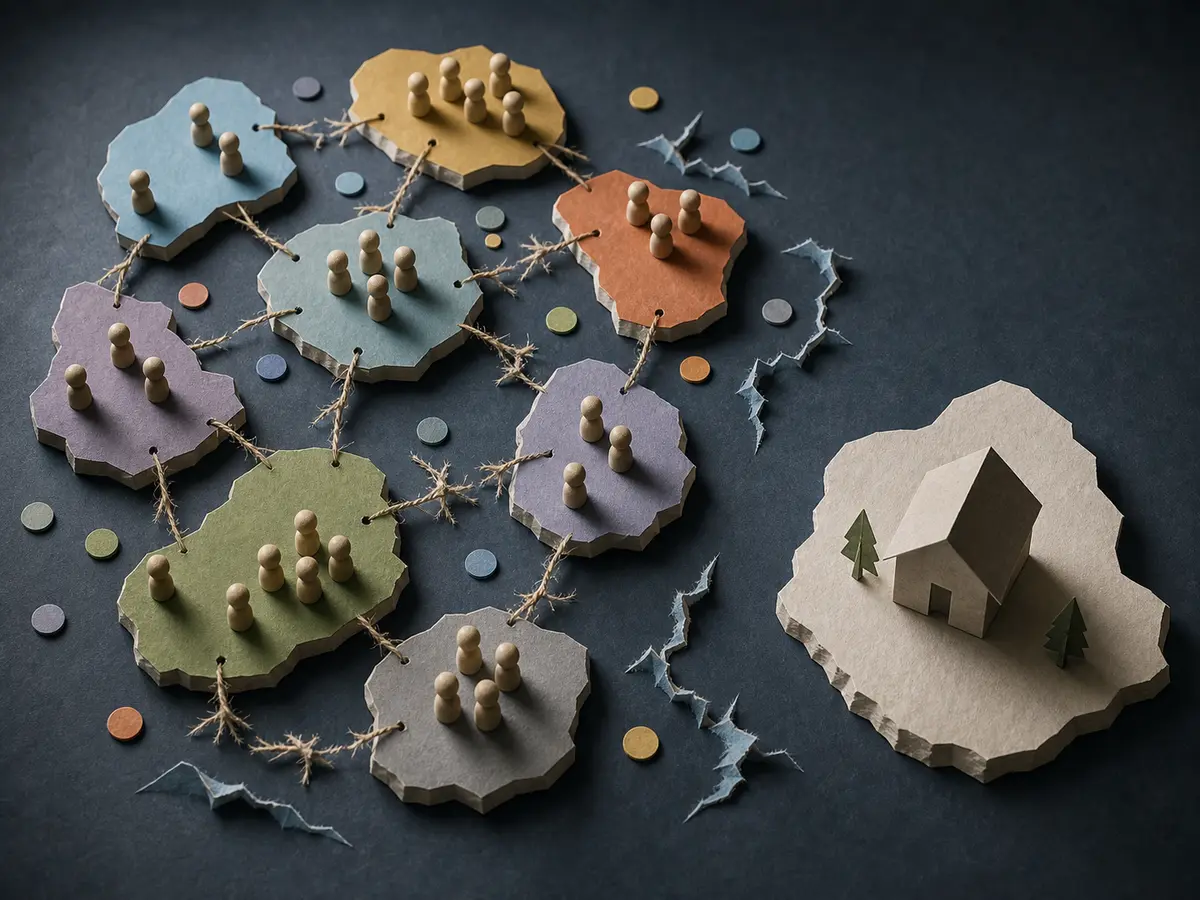
Threads was launched by Meta around the same time and gained over 100 million sign-ups in five days. Mastodon and BlueSky received similar waves of curious migrants. None of them are where Twitter was. But the fragmentation is real.
The same pattern we have seen before
This is not the first time we have seen this. We have written about Facebook and Instagram, and what happens when a platform changes its terms, algorithm or ownership.
The core point is always the same: a social media platform is rented land. You build an audience there, but you do not own the connection. When the platform changes (and every platform eventually does) your audience is gone or out of reach.
The X situation is a textbook example. Many businesses have invested years in a Twitter presence. Some have used it as a primary customer service channel. They now face a choice: stay on a platform in flux, move to something new, or both.
What is happening with the new platforms?
Threads is the most accessible for most because it is connected to your Instagram account. Growth is impressive but engagement stabilised quickly. It is still unclear what Threads is meant to be beyond "Twitter, but from Meta."
BlueSky is more technically ambitious (built on an open protocol foundation) and attracts much of the Twitter crowd that wanted something not owned by a massive corporation. There is still very little B2B activity there.
Mastodon exists and has a dedicated user base, but is too technical and fragmented for most SMBs to prioritise.
The practical advice for an SMB
Do not jump to the next platform just because it is making noise in the media. Your target audience is not there yet.
The strategic response to platform fragmentation is always the same: invest in owned infrastructure.
- Your website is yours
- Your email list is yours
- The SEO traffic you build is yours
Social media is distribution and discovery, not foundation. Use it to build connections you then bring to channels you own.
The business with 500 engaged newsletter subscribers and good search visibility for its services is far safer than the one with 5,000 Twitter followers and no email list.
Is X finished?
Probably not. Platforms rarely die fast. But they change character. Twitter as we knew it (as a place for open professional discourse and news distribution) is already different.
For most B2B businesses, Twitter was never the key platform. LinkedIn and Google are still where the audience is.
The most important takeaway from the X situation is not which new platform to start on. It is a reminder not to build business-critical communication on ground you do not own.
Want to discuss which channels actually deliver returns for your industry? Get in touch.