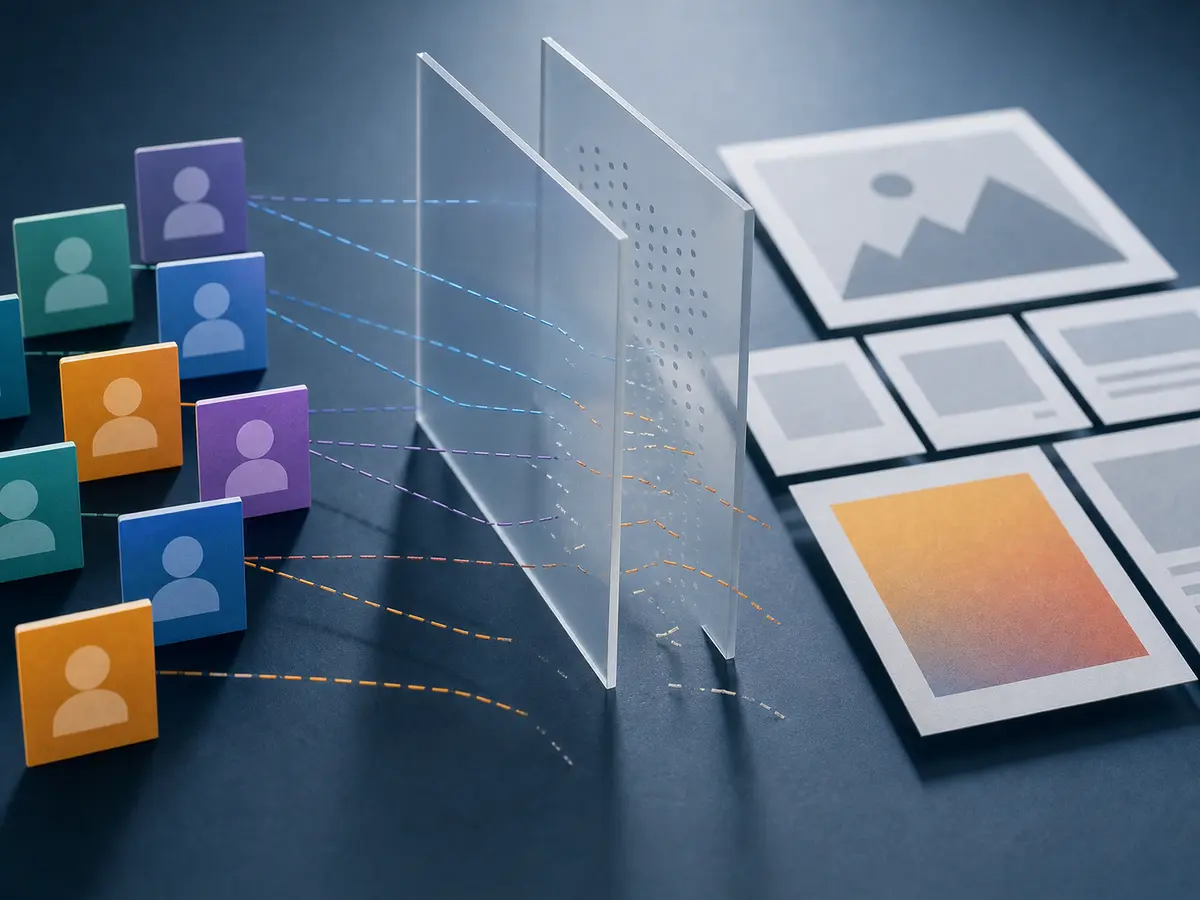
On 26 April, Apple rolled out App Tracking Transparency with iOS 14.5. All apps (including Facebook and Instagram) must now explicitly ask users for permission to track them across other apps and websites.
Early data shows fewer than 30 percent of users say yes. That means over 70 percent of iOS users are now invisible to Facebook's tracking infrastructure.
For businesses that have used Facebook advertising to reach specific audiences and track conversions, this is not a minor adjustment. It is a fundamental shift.
What has actually changed?
Conversion tracking is broken The Facebook Pixel: the code that tells Facebook someone clicked an ad and then made a purchase or filled in a form, no longer works reliably for iOS users. Facebook sees fewer conversions than actually happen, making it harder to optimise campaigns and measure ROI.
Retargeting is weakened Showing ads to people who have visited your website (remarketing) has become far less effective. Many iOS users can no longer be tracked from your website back to Facebook.
Lookalike audiences lose precision Facebook builds lookalike audiences based on data from your existing customers. As the data pool shrinks, the matches become less precise.
What should you do?
Set up the Conversions API (CAPI) Facebook offers a server-side tracking solution that sends conversion data directly from your server to Facebook, rather than through the browser. It is more privacy-resilient and partially compensates for what the Pixel loses. Most e-commerce platforms and CMS systems now have integrations for this.
Focus on creative content When targeting becomes coarser, the content of the ad matters more. Ads that stop the scroll, communicate clearly and give a compelling reason to click will outperform those built on precise micro-targeting.
Build first-party data Collect email addresses, phone numbers and other voluntarily provided information from customers and prospects. This is data you own and can use to build Custom Audiences in Facebook independently of third-party tracking.
Diversify your channels Businesses that are 100 percent dependent on Meta advertising for lead generation are vulnerable. Google Ads, email marketing, SEO and organic content are more resilient channels worth investing in in parallel.
Adjust reporting expectations The numbers in Facebook Ads Manager will look worse than reality. Facebook is under-reporting conversions. Use Google Analytics and actual sales data as your benchmark, not just Meta's dashboard.
The bigger picture
iOS 14 is not a one-off incident. It is a signal of a long-term movement toward greater user control over personal data. Google has announced it will retire third-party cookies by 2023. Legislation is tightening.
Businesses that treat this as a temporary disruption and wait for things to normalise will be surprised again. Businesses that adapt their strategy now are building a more resilient marketing infrastructure.
Want to assess how your advertising and tracking strategy should be adjusted? Get in touch.