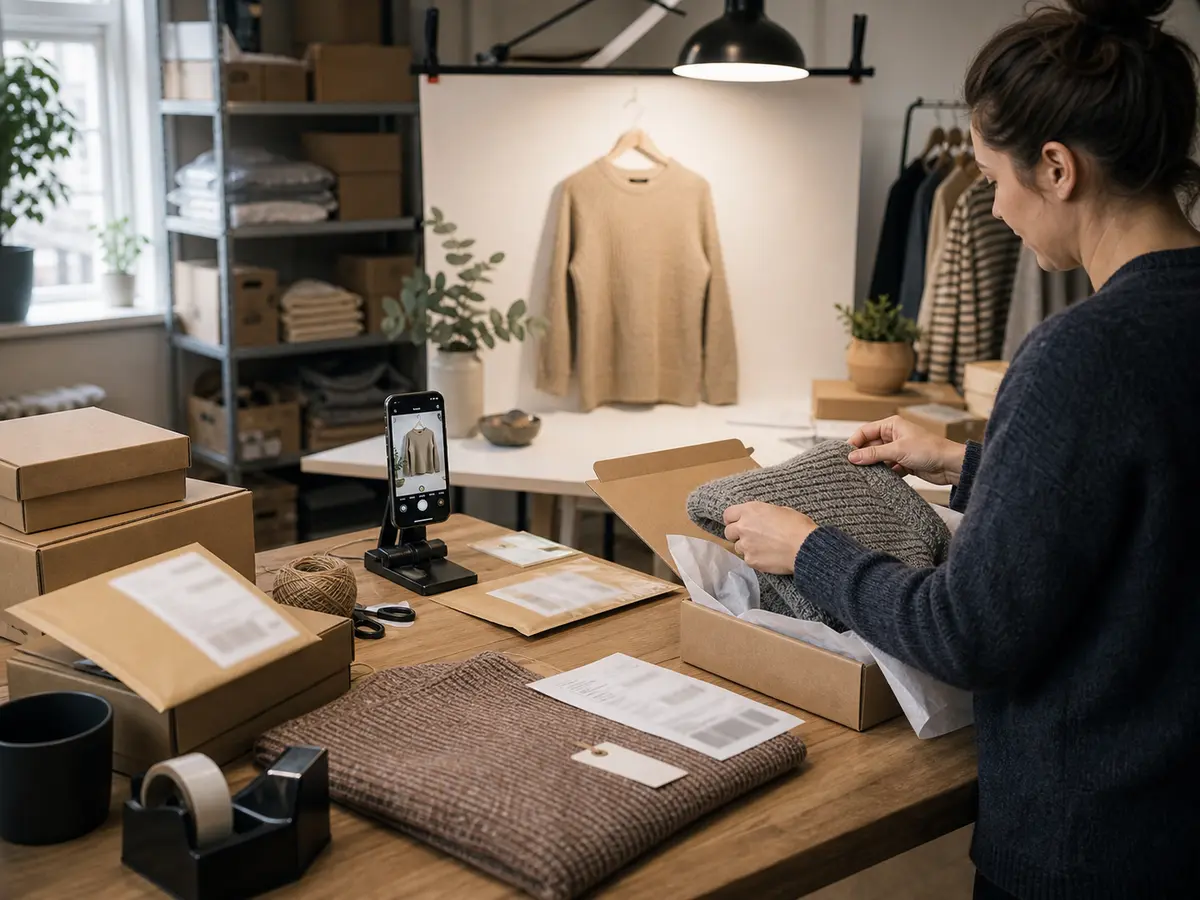
Online retail has exploded in 2020. The pandemic pushed consumers to shop online for things they always bought in person, and many discovered it was easier, faster and cheaper. A large proportion will not go back.
For businesses selling physical products without an online shop, this is no longer a "we are considering it" situation. It is a "we should do this now" situation.
What do you actually need to get started?
The most common misconception about e-commerce is that it is complicated and expensive to start. For a simple product catalogue, it is not.
What you actually need:
- A platform (Shopify, WooCommerce or similar)
- A payment solution (Stripe, PayPal or your local equivalent)
- Product photos and descriptions
- Shipping and return policies
- A registered business and bank account
What you do not need from day one:
- A custom design
- Integration with an inventory system
- Hundreds of products
- A perfect online shop
Start with the minimum viable setup. Sell the five products you sell most of. Optimise from there.
Shopify vs. WooCommerce: which should you choose?
Shopify is the simplest path to a working online shop. Everything is included: platform, hosting, payment processing, themes. Monthly subscription from around £25. Suitable for businesses that want to get started quickly without technical expertise.
WooCommerce is a WordPress plugin offering more flexibility and lower ongoing costs, but requiring more technical knowledge to set up and maintain. Suitable for businesses with an existing WordPress website or those needing custom features.
For most SMBs starting with e-commerce for the first time, Shopify is the simpler choice.
Product photos matter more than anything else
In a physical shop, customers can touch the product, see it from every angle and assess quality directly. In an online shop, the photos are everything.
Poor product images are the most common reason online shops do not convert. You do not need a professional photographer for every product, but you do need:
- Even, neutral lighting (natural daylight works well)
- A clean, neutral background
- Multiple angles of each product
- At least one image showing the product in use or in context
Shipping and returns are part of the product
Customers have been conditioned to expect fast delivery and easy returns by Zalando and Amazon. Expectations are high.
Be clear and honest about delivery times. Show shipping costs early in the purchase process: nothing kills conversions faster than a surprise shipping cost at checkout. If you have a straightforward returns policy, communicate it prominently.
E-commerce is not the endpoint: it is the start
An online shop is not a passive sales channel. It requires marketing, product updates, customer service and continuous improvement. Businesses that succeed with e-commerce over time treat the shop as an active sales tool, not a static catalogue.
Start simple, measure what works, build from there.
Want help assessing whether and how e-commerce fits your business? Get in touch: we will help you find the right solution without overcomplicating it.